
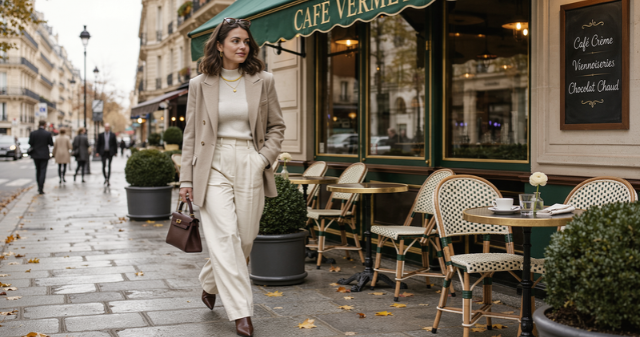
Upscale casual means dressing comfortably while looking polished, deliberate, and appropriate for a nicer setting. You usually don’t need a suit, tie, or cocktail dress. Instead, combine refined casual pieces with clean shoes, thoughtful layers, and a well-fitted silhouette. This dress code often appears at nicer restaurants, dates, parties, resorts, social events, and relaxed professional gatherings. The exact standard changes by venue, so checking posted rules remains important. A restaurant may welcome dark jeans while another may prohibit denim or sneakers.
Upscale Casual at a Glance
| Clothing area | Usually works | Often avoid |
|---|---|---|
| Tops | Button-down shirts, blouses, knit polos, fine sweaters | Graphic tees, gym shirts, worn hoodies |
| Bottoms | Tailored trousers, chinos, skirts, clean dark denim | Sweatpants, distressed jeans, athletic shorts |
| Dresses | Midi dresses, simple polished dresses | Beach dresses, formal gowns |
| Shoes | Loafers, boots, flats, heels, refined sneakers | Flip-flops, running shoes, damaged footwear |
| Layers | Blazers, structured jackets, cardigans | Bulky athletic jackets |
| Accessories | Simple jewelry, leather belts, structured bags | Large logos, overly casual backpacks |
| Formality | Polished but relaxed | Full formalwear unless requested |
Quick answer: Choose clean, well-fitted clothing that looks more considered than everyday casual wear. Tailored trousers, dark denim where allowed, polished dresses, collared shirts, blouses, fine knits, and refined shoes all work well. Skip gym clothing, damaged garments, beachwear, and anything the venue specifically prohibits.
What Does Upscale Casual Mean?
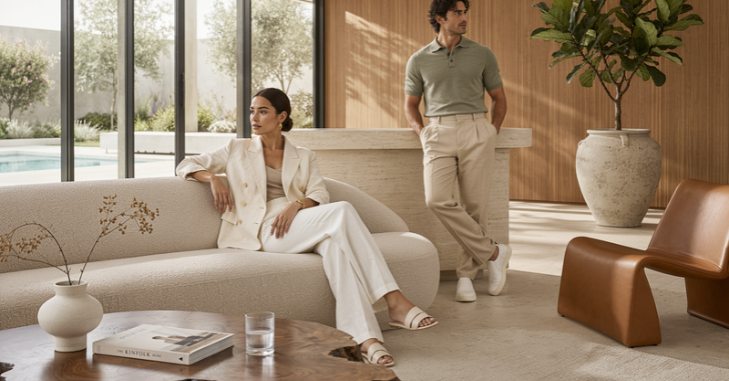
An upscale casual dress code sits between relaxed everyday clothing and more formal business or evening attire. The goal is polish without the stiffness of a matching suit or formal dress. Fit, condition, fabric, and styling matter more than expensive labels. Current U.S. dress-code guidance commonly places the style near smart casual or dressy casual. Emily Post describes dressy casual as suitable for dinners, fundraisers, and after-work social events. Modern venue guidance also favors neat separates, polished shoes, and restrained styling. Think of the outfit you might choose for an attractive restaurant with table service and thoughtful décor. You should look prepared for the setting without appearing dressed for a wedding. The result should feel intentional, comfortable, and easy to wear for several hours.
9 Rules for Getting the Look Right
1. Start With Fit Before Brand Names
Proper fit immediately makes casual clothing look more refined. Pants should sit cleanly without excessive bunching, while shirts should follow your shape without pulling. Dresses and skirts should also move comfortably while maintaining a defined silhouette. You don’t need expensive designer clothing to achieve that effect. A modestly priced blazer with good proportions often looks sharper than a costly oversized piece. Clean hems, intact buttons, and wrinkle-free fabric also improve the finished appearance.
2. Use One Structured Piece
Structure helps separate a polished outfit from ordinary weekend clothing. A blazer, tailored jacket, crisp overshirt, structured cardigan, or defined dress can provide that effect. You usually need only one strong structured element. Keep the remaining pieces simpler so the outfit doesn’t become formal. For example, pair a navy blazer with a knit polo and dark trousers. A woman might combine wide-leg pants with a simple blouse and a structured handbag.
3. Choose Better Casual Fabrics
Fabric can change how formal an otherwise simple outfit appears. Cotton poplin, merino wool, linen blends, smooth knits, suede, and quality denim usually photograph and drape well. They also create more visual depth than thin athletic materials. Avoid fabrics that immediately suggest exercise, lounging, or beachwear. Shiny performance polyester and worn fleece usually feel too relaxed. Clean cotton and textured knits provide comfort without creating that problem.
4. Treat Denim as Venue-Dependent
Dark, clean denim can work in many American restaurants and social settings. Some venues explicitly permit neat jeans while banning heavily distressed clothing. Others expect trousers or dressier separates instead. Choose an even dark wash without holes, fading, raw tears, or decorative distressing. Pair jeans with a polished top and refined shoes. If the invitation or venue feels ambiguous, tailored trousers remain the safer choice.
5. Upgrade Your Shoes
Shoes can change the perceived formality of an entire outfit. Loafers, leather boots, flats, simple heels, and refined sneakers can all work. Their condition matters as much as their category. Avoid worn running shoes, flip-flops, muddy footwear, and visibly damaged soles. Clean minimalist sneakers may work at relaxed venues. Stricter clubs, restaurants, and resorts may still prohibit them.
6. Keep Colors Easy to Combine
Neutral colors make polished casual dressing easier. Navy, black, cream, white, charcoal, olive, camel, and brown combine without demanding much planning. They also let texture and fit carry the outfit. You can still add brighter color through a blouse, shirt, scarf, jewelry, or bag. Keep one element visually dominant rather than competing across several pieces. This approach creates interest without making the outfit feel busy.
7. Avoid Looking Too Corporate
A full matching business suit can feel excessive for this dress code. The same problem can occur with conservative office combinations that look designed for meetings. The goal is social polish rather than corporate formality. Break matching pieces apart when possible. Wear a sport coat with contrasting trousers or a blouse with a midi skirt. Relaxing one element keeps the outfit approachable without sacrificing presentation.
8. Check Grooming and Clothing Condition
A strong outfit loses its effect when clothes look wrinkled, stained, or damaged. Shoes should be clean, and visible lint should be removed. Hair and grooming should also match the effort shown by the clothing. This doesn’t require complicated styling. Simple grooming usually works better than dramatic changes made specifically for the event. The goal is to look prepared rather than transformed.
9. Let the Venue Override General Advice
No universal dress guide can replace a venue’s written policy. Restaurants, private clubs, resorts, cruises, and events can define their own restrictions. Those rules should always take priority. Check the reservation page or event invitation before leaving home. Pay particular attention to jeans, sneakers, shorts, hats, and open footwear. These items create the most variation between otherwise similar venues.
Upscale Casual Outfits for Women
A simple starting formula is tailored trousers with a blouse, fitted knit, or structured jacket. Midi skirts and dresses also fit naturally within the dress code. Finish the outfit with flats, boots, loafers, or understated heels. For a dinner date, consider wide-leg trousers, a silk-style blouse, simple earrings, and low heels. A midi dress with a cropped jacket also works well. Keep the accessories controlled so the clothing remains the main focus. Dark jeans can work for relaxed restaurants when the venue permits them. Pair them with a blazer, polished top, and refined footwear. Readers interested in other outfit-focused content can also explore Magazetter’s Minnie Mouse outfit guide for a different approach to event and themed styling.
Upscale Casual Outfits for Men
Men can start with chinos, tailored trousers, or approved dark denim. Add a button-down shirt, knit polo, sweater, or clean collared layer. A blazer is useful when the restaurant or event feels slightly dressier. For dinner, try charcoal trousers with a cream knit polo and brown loafers. Another dependable combination uses navy chinos, an Oxford shirt, and a lightweight sport coat. Neither outfit requires a tie unless the invitation asks for one. Sneakers create the greatest uncertainty. Clean leather sneakers can suit relaxed modern restaurants and creative events. Loafers, derbies, or polished boots remain safer when the venue appears more traditional.
Upscale Casual vs. Smart Casual vs. Business Casual
These dress codes overlap, but their emphasis differs. Smart casual often gives you the most freedom to combine relaxed and refined pieces. Business casual usually keeps a professional workplace feel. Upscale dressing puts greater emphasis on presentation and the setting. It commonly appears around restaurants, resorts, dates, celebrations, and polished social spaces. You can think of it as smart casual with slightly stronger attention to finish.
| Dress code | Main goal | Typical setting | Safe example |
|---|---|---|---|
| Smart casual | Refined everyday style | Social events, creative workplaces | Chinos, knit top, clean sneakers |
| Business casual | Professional without a suit | Offices, networking | Trousers, collared shirt, loafers |
| Upscale casual | Polished social dressing | Nice restaurants, dates, resorts | Tailored separates, refined shoes |
| Semi-formal | Clearly dressy | Weddings, evening events | Suit or cocktail-style dress |
What Not to Wear
Avoid anything that looks designed primarily for exercise, lounging, or the beach. That generally includes sweatpants, gym shorts, visibly athletic tops, flip-flops, and worn training shoes. Graphic clothing with large slogans can also reduce the polished effect. Damaged clothing creates another common problem. Ripped denim, frayed hems, stained shirts, and scuffed footwear can conflict with venue expectations. Some restaurants specifically prohibit excessive distressing or inappropriate graphics. Don’t assume formal clothing is always safer, either. A tuxedo, evening gown, or conservative matching business suit may feel disconnected from a relaxed social setting. The best outfit usually sits comfortably between everyday clothing and formalwear.
How to Adjust the Look by Occasion
For a nice restaurant, emphasize clean shoes, tailored bottoms, and a refined top. Add a blazer or jacket when the venue feels traditional. Check its dress policy before relying on jeans or sneakers. For a date, allow more personality through color, texture, or accessories. Keep one polished foundation piece so the outfit remains intentional. Comfortable shoes also matter if the evening includes walking or another activity. For a work-related social event, stay slightly closer to business casual. Avoid clothing that feels too revealing, distressed, or nightlife-focused. You can relax the outfit with softer fabrics, an open collar, or less formal footwear. For a party or celebration, you can move slightly dressier. A midi dress, polished jumpsuit, sport coat, or textured knit can work well. Let the time, venue, and host’s instructions determine how far you should go.
The Safest Formula
When you’re uncertain, choose one refined layer, one clean casual element, and polished footwear. Keep the colors coordinated and make sure every piece fits properly. That formula works across many American restaurants and social events. The biggest mistake is treating the phrase as a fixed uniform. Venue standards vary across cities, businesses, and occasions. Check the specific setting first, then adjust your outfit one level up or down. For more lifestyle and style-related features, browse Magazetter’s latest coverage and related guides. The site also publishes event, entertainment, and lifestyle articles for U.S. readers. Use those sections to continue exploring practical style ideas.
Frequently Asked Questions
What does upscale casual mean?
Upscale casual means polished social clothing that remains relaxed and comfortable. You normally wear refined separates, dresses, dark denim where permitted, collared shirts, blouses, or fine knits. Formal suits and evening gowns are usually unnecessary unless the event requests them.
Can you wear jeans?
Yes, dark and undamaged jeans can work at many U.S. venues. The rest of the outfit should look more polished than everyday weekend clothing. Always check the specific restaurant or event policy before choosing denim.
Can you wear sneakers?
Sometimes, especially when they are clean, simple, and fashion-oriented. Athletic running shoes usually look too relaxed for the dress code. Some restaurants and clubs ban sneakers entirely, so posted rules matter.
Do men need a blazer?
A blazer is helpful but usually not mandatory. A good collared shirt, knit polo, or fine sweater can be enough at a relaxed venue. Add a jacket when the setting appears more traditional or expensive.
Do women need heels?
No, heels aren’t required. Polished flats, loafers, ankle boots, and refined sandals can also work when appropriate. Choose footwear that complements the clothing and follows venue rules.