
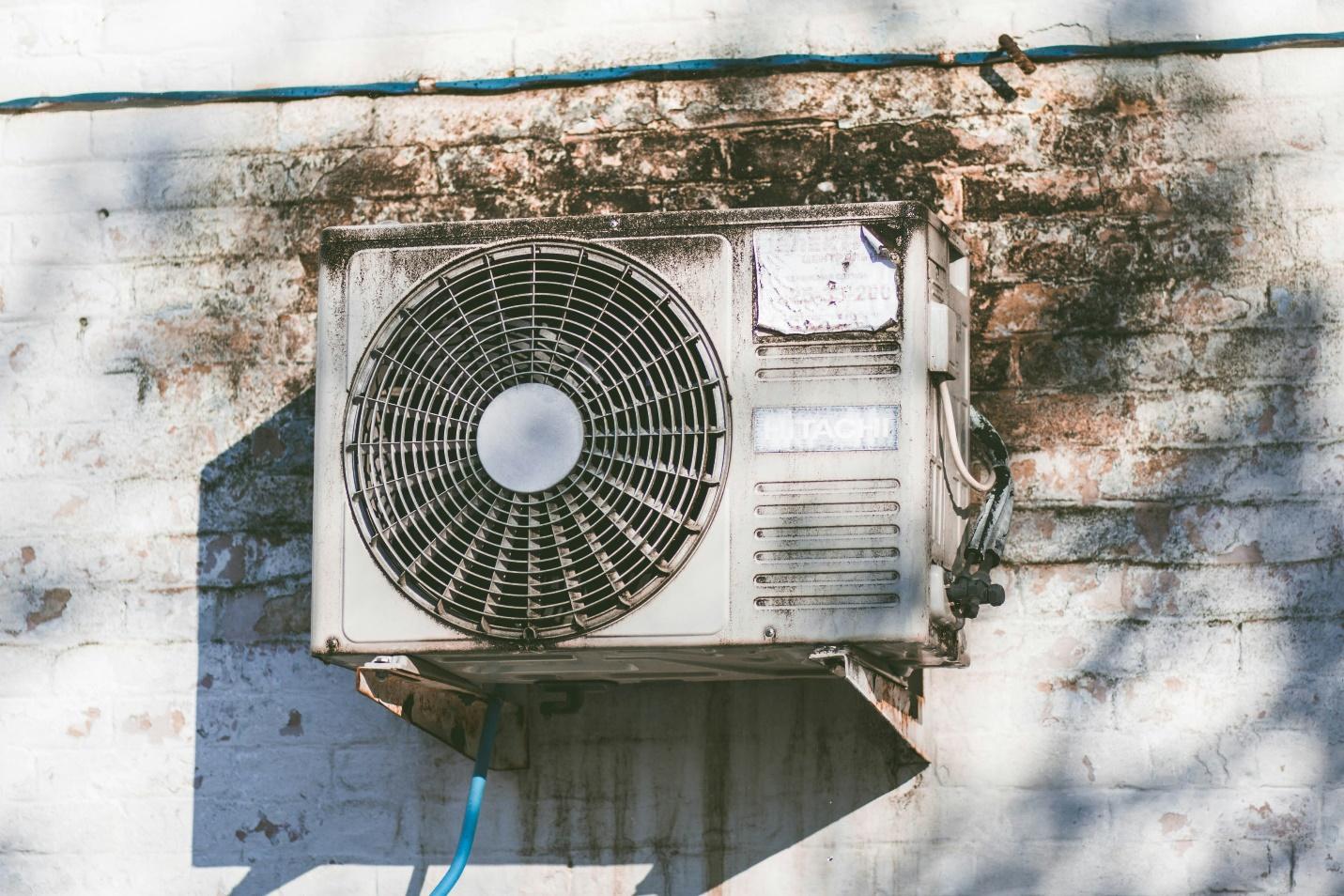
Air conditioning systems are essential for maintaining indoor comfort, especially during warmer months. However, when not properly maintained, they can become breeding grounds for mold and bacteria, potentially leading to health issues for occupants. Recognizing the signs of microbial growth in your AC unit is crucial for ensuring a healthy indoor environment.
Recognizing Musty Odors from Your Air Conditioner
A persistent musty or mildew-like smell emanating from your air conditioning system often indicates mold presence. This distinctive odor results from mold spores circulating through the air, suggesting contamination within the unit or ductwork. Addressing these odors promptly can prevent further microbial proliferation and associated health risks.
Identifying Visible Mold in Air Conditioning Components
Visible mold growth on air vents, filters, ducts, or drip pans is a clear sign of contamination. Mold may appear as black, green, or white patches with a fuzzy or slimy texture. Regularly inspecting these components can help detect mold early, allowing for timely remediation to maintain air quality. If left unaddressed, mold can spread quickly, making removal more challenging and increasing the risk of health complications.
Experiencing Health Symptoms Linked to Mold Exposure
Exposure to mold and bacteria from contaminated AC units can lead to various health issues, including respiratory problems, allergic reactions, and fatigue. Individuals may experience coughing, sneezing, headaches, or exacerbated asthma symptoms. If such health concerns arise without a clear cause, it’s advisable to evaluate the air conditioning system for potential mold growth.
Those with preexisting respiratory conditions, young children, and the elderly are particularly vulnerable to mold-related illnesses, making regular AC maintenance even more crucial. If you suspect microbial growth within your system, consulting with professionals like Airco can provide the expertise needed to address and resolve such concerns effectively.
Understanding the Causes of Mold and Bacteria Growth in AC Systems
Mold and bacteria thrive in moist environments. Factors contributing to their growth in air conditioning systems include high humidity levels, poor ventilation, and inadequate maintenance. Components like evaporator coils and drip pans can accumulate condensation, creating ideal conditions for microbial development.
Dust and organic debris within the system also provide a food source for mold, accelerating its spread. Without routine cleaning, mold colonies can form and infiltrate the air supply, affecting indoor air quality and potentially triggering health problems for those exposed.
Implementing Preventative Measures for a Healthier Indoor Environment
Prevent mold and bacteria growth in your AC with regular maintenance. Clean filters, coils, and drip pans. Manage indoor humidity with dehumidifiers and proper ventilation, keeping levels between 30% and 50%.
Replacing air filters as needed prevents dust and contaminants from circulating through the system, reducing the likelihood of microbial growth. Ensuring that drainage lines are clear and functioning properly helps prevent water buildup, another common contributor to mold formation. Addressing leaks or pooling water around the unit can also mitigate the risk of mold proliferation.
Ensuring a Safe and Efficient Air Conditioning System
Maintaining a clean and well-functioning air conditioning system is vital for both comfort and health. Regular inspections and prompt attention to signs of mold and bacteria can prevent potential health issues and ensure optimal performance of your AC unit. Proper AC care not only enhances indoor air quality but also extends the lifespan of the system, ensuring long-term comfort and efficiency.
Apart from that, if you are interested to know about “Free Tablet with EBT” then visit our “Tech” category.